

About the Project
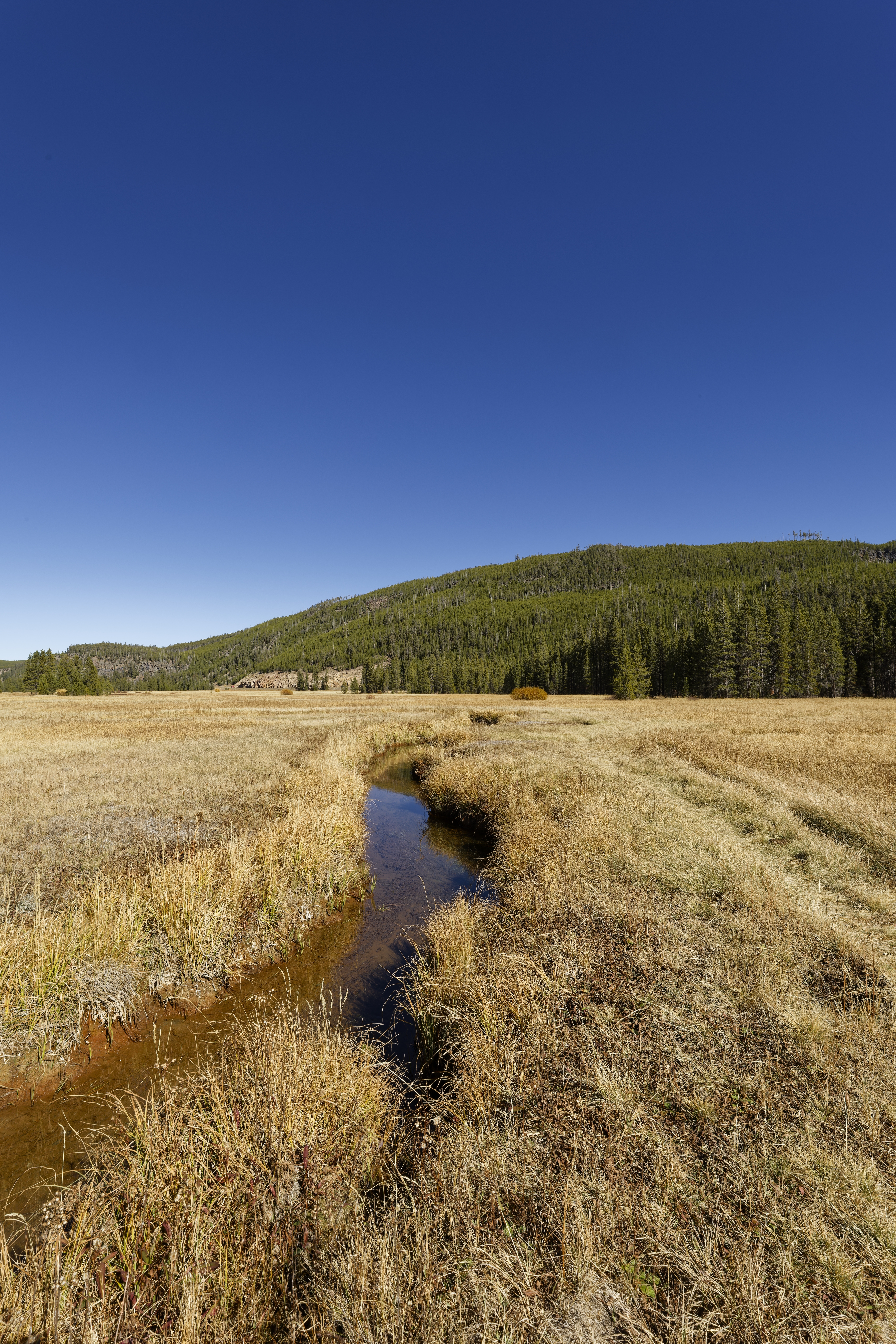
The Wyoming Beaver Conservation Project is bringing together scientists, conservation organizations, landowners, and other partners to explore opportunities for increasing beaver-occupied wetlands across Wyoming.
Our mission is to identify places where beavers can thrive and where their wetlands could provide the greatest benefits for people and wildlife.
Project Goals
1. Map Wyoming's Beaver Habitat
We'll identify streams and landscapes that may provide suitable habitat for beavers.
2. Find Where Beavers Already Live
By mapping current beaver occupancy, we can begin to understand where beavers are thriving and where suitable habitat may currently be unoccupied.
3. Identify Opportunities
By comparing suitable habitat with current occupancy, we can identify areas where there may be opportunities for natural recolonization or restoration.
4. Explore Benefits for Water and Wildfire Resilience
We'll combine beaver information with other landscape data to help identify places where beaver wetlands could potentially provide benefits such as increased water storage and wildfire mitigation.
5. Work With Communities and Partners
Restoration works best when people are part of the process. We'll work with partners, volunteers, landowners, and other stakeholders to help verify information on the ground and identify opportunities for collaboration.
CLICK HERE TO DONATE AND SUPPORT THE WYOMING BEAVER CONSERVATION PROJECT
Central Part of the Project
A central piece is applying the Beaver Restoration Assessment Tool (BRAT) | Riverscapes Network Models statewide to identify current and potential beaver habitat, then ground-truthing those predictions with community scientists and partners, including Wyoming Conservation Corps.
The project will also serve as a central database of past relevant beaver research and new information as it comes in.
Collaborative Project
By connecting research with real-world management, we hope to generate practical knowledge that can help guide future decisions across Wyoming and beyond.
The Wyoming Beavers Conservation Project brings together expertise from organizations and researchers working across Wyoming and the West, including the Wyoming Natural Diversity Database, Wyoming Coalition for Animal Protection, University of Wyoming Biodiversity Institute, Utah State University, and Wyoming Untrapped.